
02 Caloundra City Private School
Designing learning with humans, systems and the future in mind.
Presenting Challenge
Many schools are beginning to sit with a difficult question:
What does senior schooling look like when it is genuinely designed for the world young people are moving into, rather than the one most adults experienced themselves? At Caloundra City Private School, this question became the catalyst for the Agile Graduate Program, launching in 2026. The program reimagines senior schooling as more flexible, more human, and more responsive to purpose, pace, and individual pathways. But early in the process, the leadership team recognised a familiar risk. If this work lived only within the senior school, it could easily become another promising initiative sitting alongside existing structures rather than reshaping them. For the program to hold, the thinking underneath it needed to expand across the whole school. That meant creating space for educators to step back and reconsider how learning was designed, and for whom.
Making the Invisible Visible
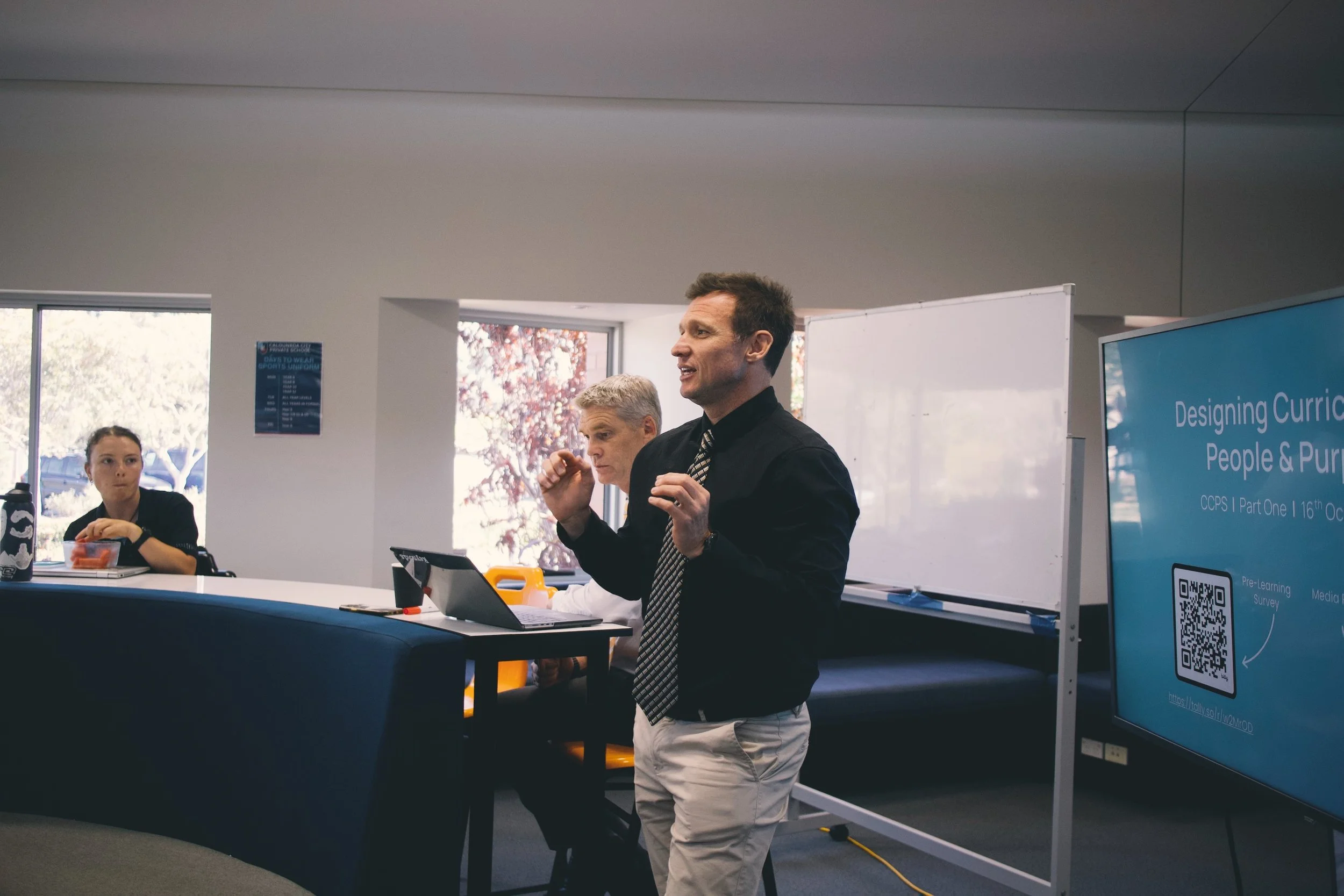
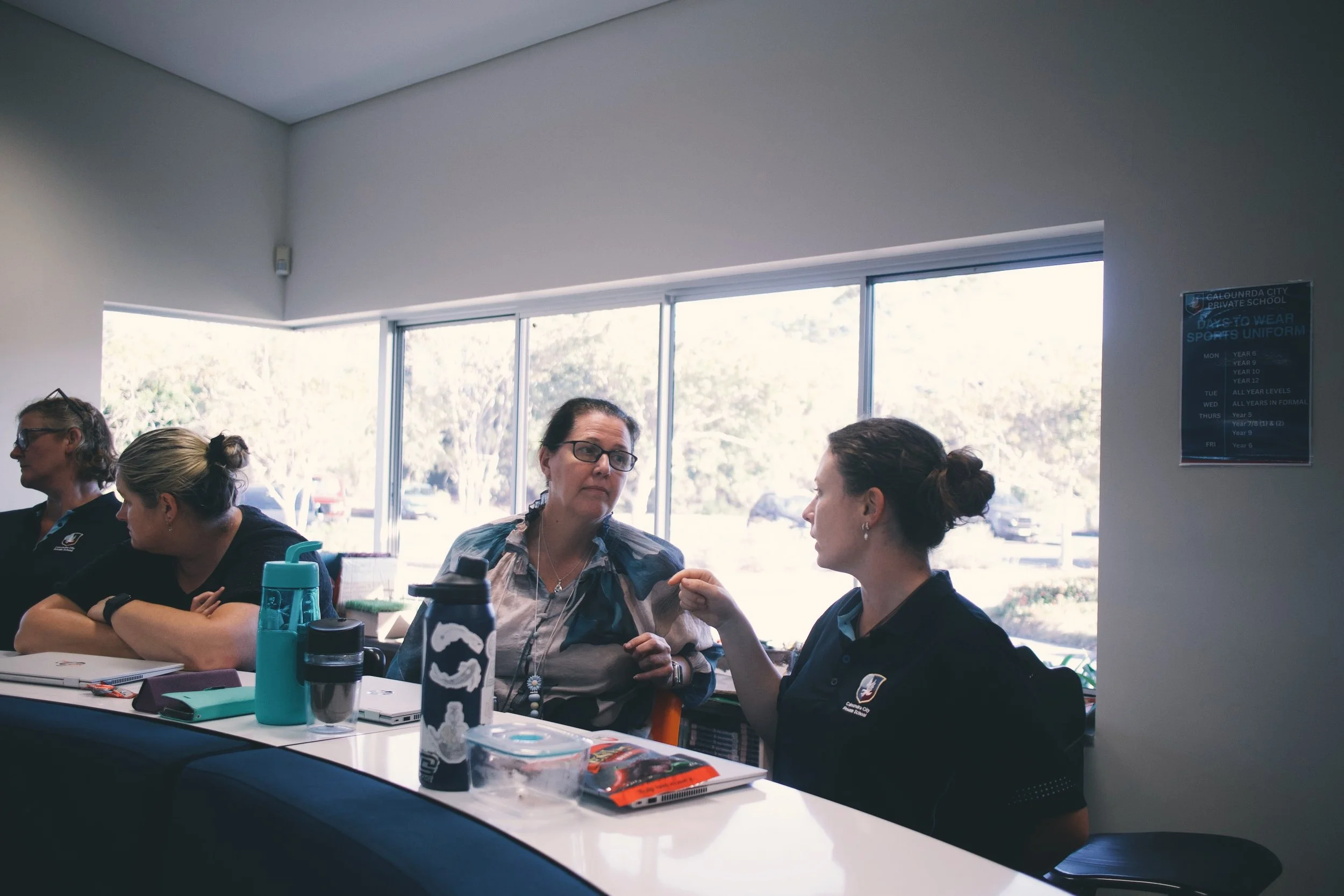
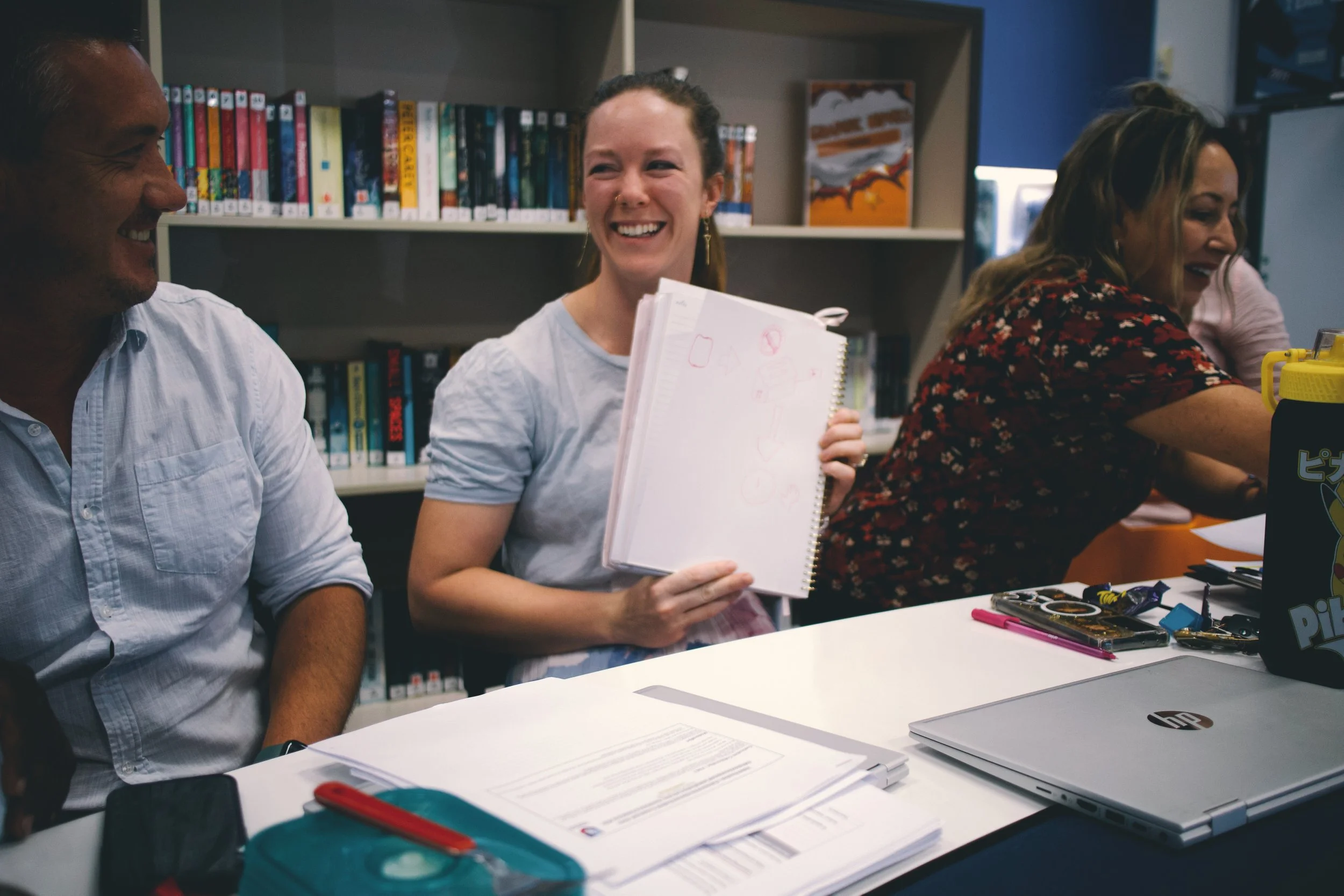
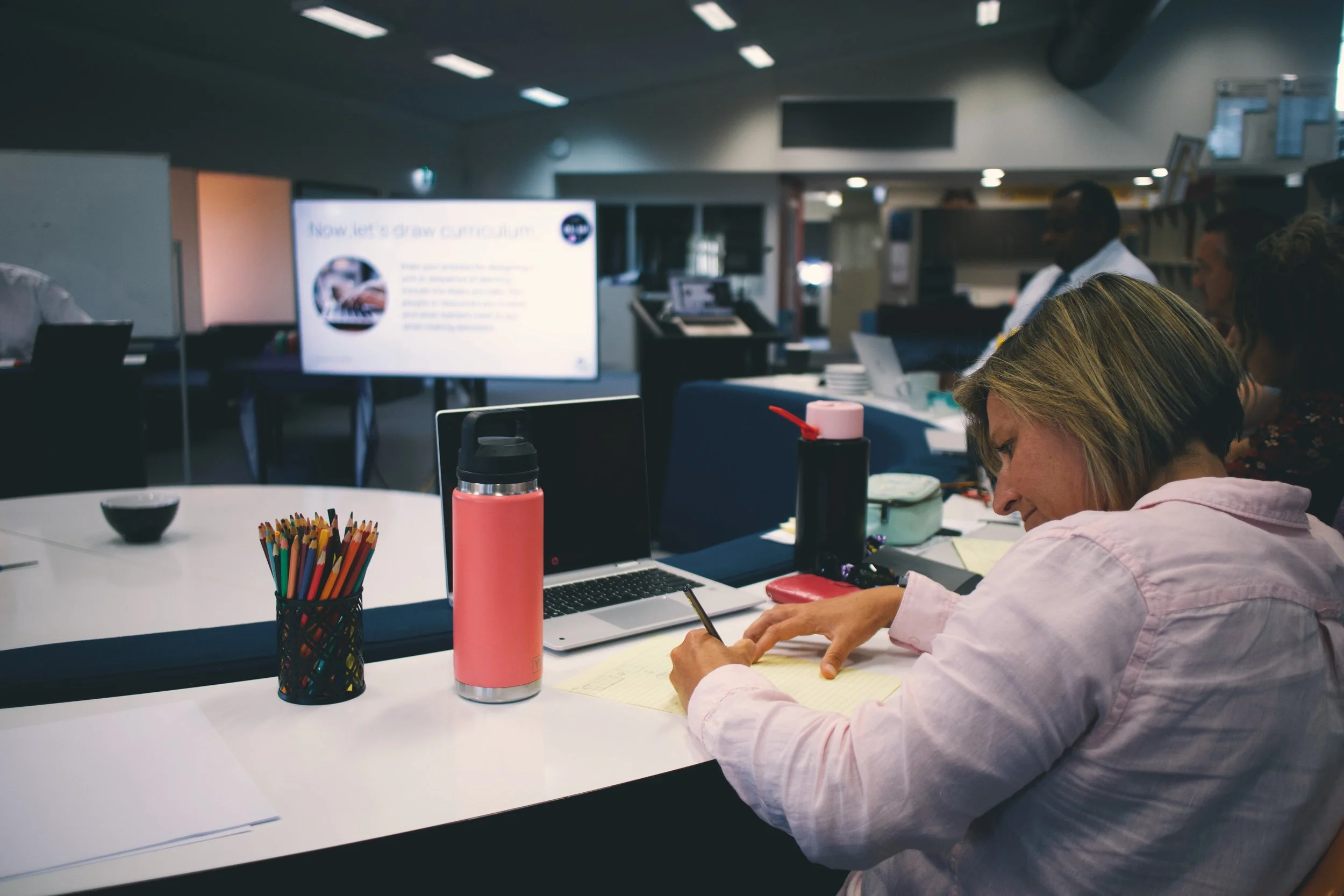
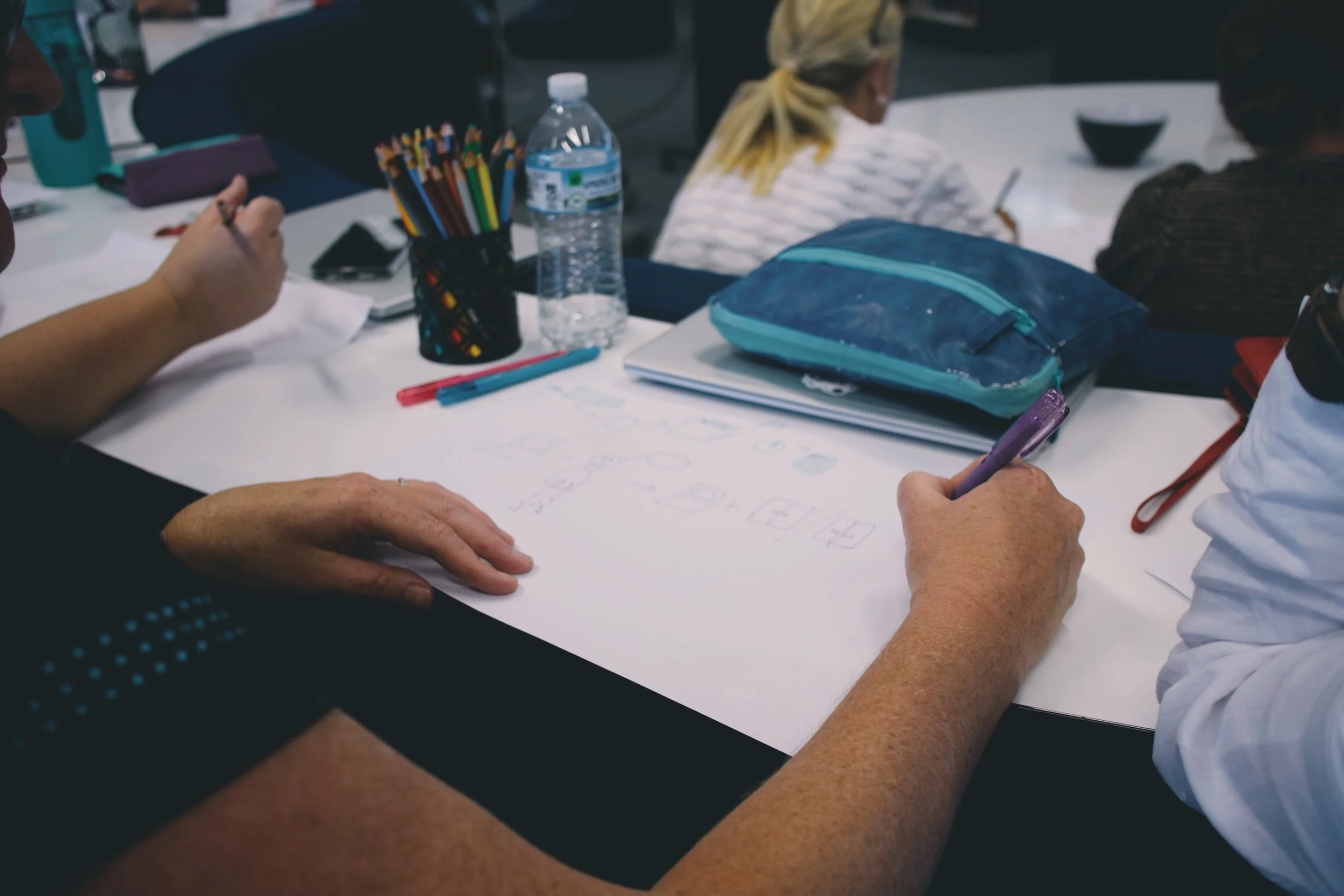
Our work began through the Designing Curriculum for People and Purpose Learning Series. There was already a sense of readiness in the room. Not certainty, but willingness. A willingness to loosen long-held assumptions and sit with the messiness that comes with rethinking. We started with an exercise that appears almost trivial: mapping the process of making toast. What quickly becomes clear through this activity is not the process itself, but the assumptions underneath it. Where we begin. What we notice. What we skip. How differently people interpret the same task. When teachers turned this same lens onto their curriculum design processes, something shifted: the system became visible. Sequencing, handovers, decision points and constraints surfaced alongside the human moments that rarely appear in planning documents but shape students’ experiences profoundly. Process mapping did not simplify the work. It made it authentic. That authenticity created the conditions for more intentional, coherent design choices.
Widening the Lens
From there, the work expanded. Educators heard directly from students. They explored emerging futures within their community and beyond. They returned to existing units with different questions. They moved beyond what needs to be covered, but who this learning is for, what kind of invitation it extends to a young person, and how agency might be designed into the experience. Gradually, a conceptual shift began to emerge. Teachers started to see themselves less as implementers of curriculum and more as designers working within a complex human system.
What Shifted
By the final session, the end of term was close enough to touch, but the energy in the room remained high. Ideas were still forming, tentative but alive. The work felt unfinished, because it was. But it also felt honest, reflecting the ongoing nature of curriculum design itself. One of the most significant shifts was from focusing on activity to focusing on intent.
As Deputy Principal Nathan Reynolds reflected:
“[The work with Coherence Co-Lab] never felt like quick fixes or pre-packaged answers… Instead, it gave us space to slow down and think more clearly about what actually matters, why it matters, and whether what we are doing is truly aligned.”
He described how the ideas continued to influence thinking beyond the sessions:
“It didn’t fully shift thinking straight away, it definitely nudged it… it became a kind of ‘talking stick’ that people kept coming back to in conversations about priorities, language, and coherence… The moment that really clicked for me was the shift from what are we doing to what are we trying to make more likely.”
The Outcome
This phase of work did not aim to produce finished curriculum documents. Instead, it created something more foundational:
Greater shared understanding of learning design as a system
Stronger alignment between purpose, practice and people
Language and concepts that continued to shape decision-making
Reduced fragmentation by creating a common reference point
Momentum supporting the development of the Agile Graduate Program
By slowing down long enough to see the system clearly, the school positioned itself to move forward with greater coherence and intention. Caloundra City Private School’s story is not about arriving at a final answer. It is about choosing to see the system clearly, with humility and without pretence, in order to move more deliberately into what comes next so that young people experience learning that is relevant for their present and their futures.